




Dandruff issue
Dandruff is a common dermatological condition characterized by a disruption in the natural turnover cycle of skin cells. This process manifests as excessive and premature shedding of dead skin cells from the outer layer of the scalp, resulting in noticeable white or yellowish flakes that accumulate on the hair and fall onto the shoulders.
This condition is often accompanied by symptoms indicative of an imbalance: persistent itching, dryness or slight oiliness, as well as minor redness and a general sense of discomfort on the scalp. The causes of dandruff are varied, but the most common are linked to the overactivity of a natural yeast fungus present on everyone’s scalp. This fungus reacts to components of sebum, leading to a mild inflammatory response. Other contributing factors include hormonal fluctuations, increased stress, and sensitivity or inappropriate reactions to certain ingredients in hair care products. A thorough understanding of the source of dandruff is key to selecting the most effective and targeted treatment.
It is important to note that dandruff does not pose a health risk and is not contagious, but it requires consistent and appropriate care to balance the scalp and maintain healthy, clean-looking hair.
Causes of the Problem
- Genetic predisposition and autoimmune mechanisms (psoriasis)
- Stress and a weakened immune system
- Unfavorable climatic conditions (dry or cold air)
- Incorrect care and aggressive cosmetic products, which can lead to chronic issues (seborrheic type)
- Mechanical damage to the scalp, combined with a chronic background and a genetic tendency toward seborrhea
Symptoms for Identifying the Problem
- Thick patches and flakes on the scalp
- Itching, irritation, and redness accompanied by flaking that resembles dandruff
- Dryness or oiliness of the scalp (depending on the type of seborrhea)
- Localized hair loss in severe cases due to the chronic condition
- Increased scalp sensitivity caused by persistent inflammation

The Solution from Dr. Sorbie
- Dandruff Shampoo – Controls flaking, relieves itching and inflammation
- Scalp-T – Therapeutic anti-dandruff elixir with applicator
- Shampling – Gentle scalp peeling shampoo
- Scalp-B – Protective and balancing serum against environmental damage

Our solution
View all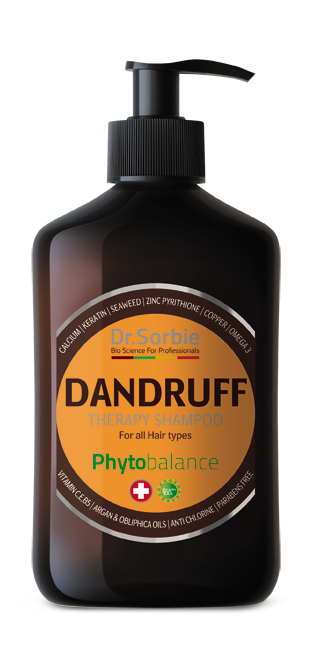
DANDRUFF THERAPY SHAMPOO
THERAPEUTIC ANTI-DANDRUFF SHAMPOO FOR ALL HAIR TYPES
It gently and delicately cleanses the hair and scalp from impurities, penetrates deeply into the layers of the epidermis, saturating it with the necessary trace elements, moisturizing the dry scalp. It has a soothing effect, regulates the activity of the sebaceous glands. It has an antifungal and antibacterial effect on the irritated scalp, thereby accelerating the regeneration of the epidermis.
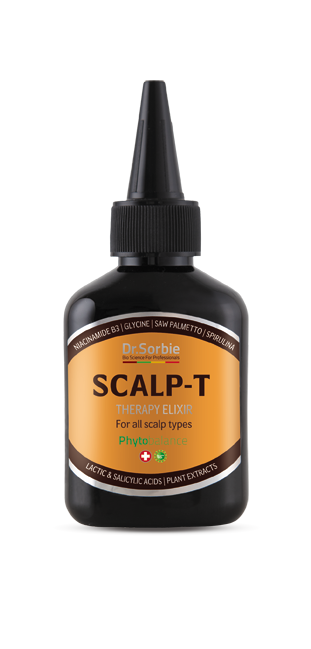
SCALP-T TRICHOLOGY THERAPY ELIXIR
THERAPEUTIC ELIXIR FOR ALL SCALP TYPES
Penetrating into the deep layers of the epidermis, it improves metabolic processes, protects cell membranes from the destructive effects of free radicals.
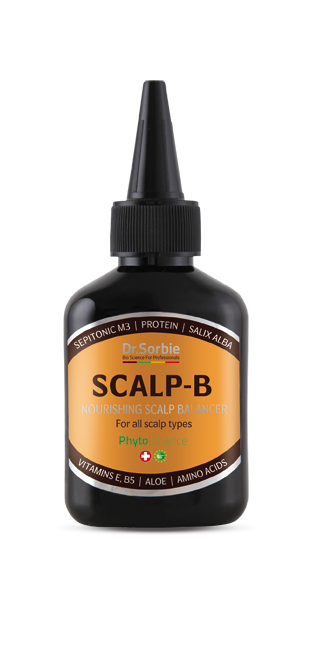
SCALP-B NOURISHING SCALP BALANCER
NOURISHING SCALP BALANCER FOR ALL SCALP TYPES
It activates skin regeneration, heals and repairs damage, promotes the restoration of collagen and elastin fibers, serves as a kind of detox, has an anti-age effect, stimulates hair growth, works as a conductor of active ingredients in the skin, saturates energy, retains moisture, improves protective functions in the fight against free radicals and UV rays, improves blood circulation, reduces redness and inflammation, helps to narrow pores, soothes the activity of the sebaceous glands, Improves the elasticity of stressed skin.
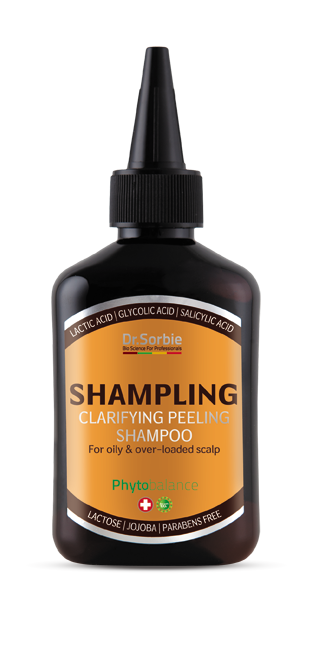
SHAMPLING CLARIFYING PILLING SHAMPOO
CLEANSING PEELING SHAMPOO FOR OILY AND CONGESTED SCALP
Shampoo and peeling that cleanses the scalp, relieving all accumulations, overloads and dead cells. This procedure is necessary for almost everyone in order to allow the skin to renew, receive nourishment and make a kind of scrub detox
At-Home Treatment Guide
Peeling Day (Once Every Two Weeks)
- Shampling Peeling Shampoo – For deep cleansing, normalization of sebaceous gland activity, and improved cell renewal.
How to use: Apply to a damp scalp using the applicator, distribute evenly, avoiding contact with the hair length. Massage for 5–7 minutes, rinse, then continue massaging for another minute. - Additional Hair Cleansing: After peeling, use Treatment Shampoo for gentle removal of residues. Do not use Dandruff Shampoo on peeling day.
- After Washing: Apply Scalp-T Serum. Do not rinse.
- Hair Length Care: Use mask, conditioner, and serum suitable for your hair type.
Therapeutic Wash Day (Every 2–3 Days, Excluding Peeling Days)
- Dandruff Shampoo: Apply to wet hair, focusing on the scalp. Massage for 2–3 minutes and rinse thoroughly.
- After Washing: Apply Scalp-T Serum. Do not rinse.
- Hair Length Care: Use mask, conditioner, and suitable serum to maintain hair health and appearance.
No-Wash Day
- Scalp-B Protective Serum: Apply to a dry scalp along hair partings. Protects against environmental irritants (wind, sun, friction), alleviates discomfort, and maintains a soothing feeling.
